Sport · The Guardian
‘A missing generation’: why are there are no female head coaches in Women’s Six Nations?
A new scheme will attempt to address the glaring lack of diversity among top coaches in elite women’s rugby union A 10-point plan will be introduced by Premiership Women’s Rugby next season that aims to increase the number of female coaches at international level, with only one top-10 nation currently being led by a woman. The scheme aims to create a springboard for more women at the elite tier of the sport, where there is a glaring lack of diversity among top coaches.
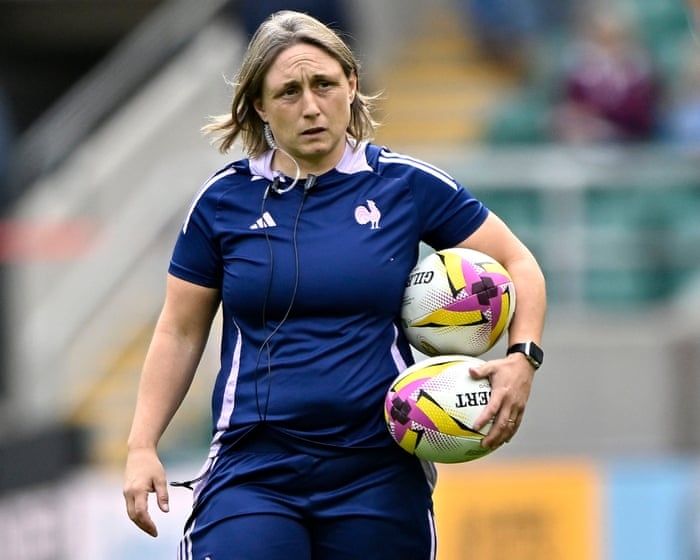
A new scheme will attempt to address the glaring lack of diversity among top coaches in elite women’s rugby union A 10-point plan will be introduced by Premiership Women’s Rugby next season that aims to increase the number of female coaches at international level, with only one top-10 nation currently being led by a woman. The scheme aims to create a springboard for more women at the elite tier of the sport, where there is a glaring lack of diversity among top coaches. Whitney Hansen is in charge of New Zealand, but, Jo Yapp and Gaëlle Mignot stood down from their positions after last year’s Rugby World Cup, with the Wallaroos and France respectively. A new scheme will attempt to address the glaring lack of diversity among top coaches in elite women’s rugby union A 10-point plan will be introduced by Premiership Women’s Rugby next season that aims to increase the number of female coaches at international level, with only one top-10 nation currently being led by a woman. The scheme aims to create a springboard for more women at the elite tier of the sport, where there is a glaring lack of diversity among top coaches.
At the groundbreaking 2025 tournament there were three female head coaches, but there are none in the 2026 Women’s Six Nations. At PWR clubs all the head coaches are men, and of the 22 women coaching in the league, just six hold senior roles. “There is a huge amount of work to do to change everything from perception, experience and pipeline of female coaches,” Genevieve Shore, the PWR chair, said. The league commissioned research with the Rugby Football Union – interviewing coaches and club owners from the women’s and men’s game – and came up with a 100-page report on diversifying coaching in the women’s game. Susie Appleby, the former Exeter Women’s head coach, said: “The support you need is immense.
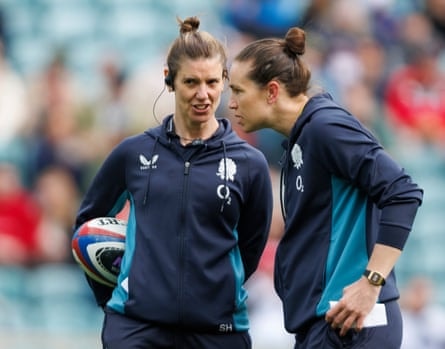
There are some female coaches in the Six Nations setups, such as Sarah Hunter and Emily Scarratt with England, but male coaches are the significant majority. One major part of having more female coaches into international rugby is getting their foot in the door. Loughborough Lightning’s assistant coach, Rachel Taylor, has praised World Rugby for its internship programmes that give women more experience and she believes coaches’ home unions have a big role to play. Even if you aren’t a pro player, there are people out there who will be good coaches. That is a societal thing we have to battle with every day, in many areas of life, not just rugby.” The initial development of female coaches is lacking too, according to many in the game.
Different voices had different ideas of how that would be fostered: Caplice wants to see more player-coach roles, the Wales development coach, Elinor Snowsill, suggests unions introducing paid guest coaching periods in international camps, while Taylor puts forward female coaches being mandated at all levels of the game. Another factor on why there are fewer female coaches is because of the slower recent professionalisation of women’s rugby. “There were also no paid roles within the female game. That is why we have a generation of missing coaches.” Shore added: “Lots of men when they are in academies and are professional rugby players take this pathway and go through coaching qualifications. They get opportunities to coach, get their 10,000 hours in; 95% of our women have a job as well as playing.
They do not have another 20 hours a week to coach.” It has been suggested female coaches can bring empathetic communication styles, as well as a deeper understanding of female biology, particularly the effect of the menstrual cycle on athletes, to coaching roles. Preparing players for difficult environments is another area female coaches who have played the game can do well. Without women in these positions or environments we aren’t getting that development as well.” Explore more on these topics Share Reuse this content A new scheme will attempt to address the glaring lack of diversity among top coaches in elite women’s rugby union A 10-point plan will be introduced by Premiership Women’s Rugby next season that aims to increase the number of female coaches at international level, with only one top-10 nation currently being led by a woman. The scheme aims to create a springboard for more women at the elite tier of the sport, where there is a glaring lack of diversity among top coaches. ‘A missing generation’: why are there are no female head coaches in Women’s Six Nations?


