Teknologji · BBC
Bright idea? UK firm pioneers data centres using lampposts
The solar-powered iLamps will have a built-in Nvidia chip but there are questions over their security and scalability. 13 hours ago Share Save Add as preferred on Google There have been many attempts to put data centres in unusual places over the years - Microsoft put a data centre under the sea, Elon Musk has suggested putting them in space.
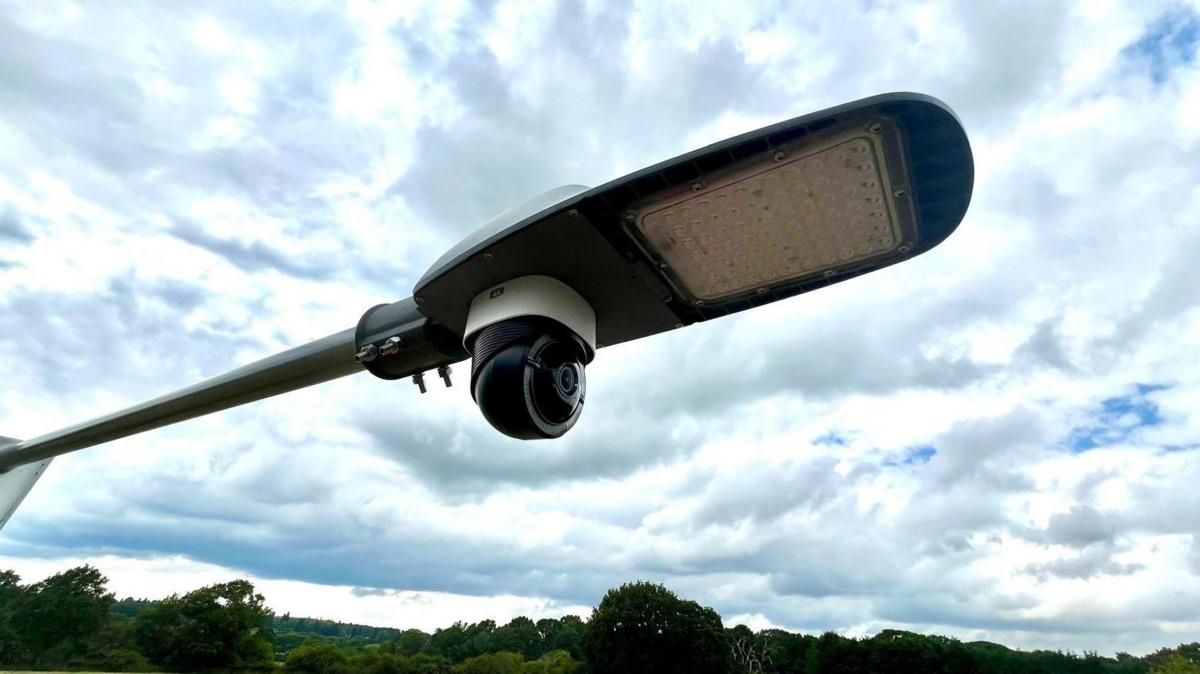

The solar-powered iLamps will have a built-in Nvidia chip but there are questions over their security and scalability. 13 hours ago Share Save Add as preferred on Google There have been many attempts to put data centres in unusual places over the years - Microsoft put a data centre under the sea, Elon Musk has suggested putting them in space. Now a UK firm is betting on data centres using thousands of connected smart lampposts, and has signed a formal agreement with a Nigerian state to deploy 50,000 of them. Warwickshire-based Conflow Power Group Limited (CPG) says networked together its solar-powered iLamp units "double as a revenue-generating distributed AI data centre". However, some experts have told the BBC the tech isn't a substitute for the powerful data centres needed to run the toughest AI tasks, although they could be useful for less demanding work.
These supply the energy used by a low-powered computer suitable for AI tasks. "NVIDIA is the company that's created a small enough chip, powered with 15 watts of power, so it can be powered by solar, and we can put that inside a street light", CPG chairman Edward Fitzpatrick told the BBC's Tech Life programme . The firm's plan, according to Fitzpatrick, is that scaled across thousands of units, a network of iLamps would deliver the collective processing power of a data centre with the environmental benefit of not drawing energy from the grid. Data centre industry veteran Prof Ian Bitterlin told the BBC the physical security of the streetlights would be a concern. Fitzpatrick accepts this.
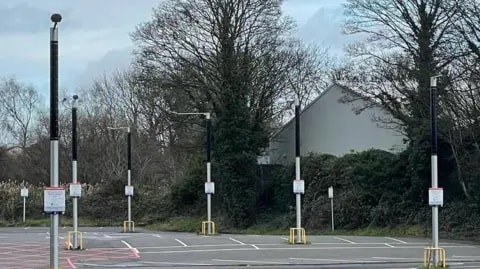
The lampposts can also operate as AI-powered surveillance cameras. In Nigeria, each will be fitted with AI cameras capable of detecting parking violations, speeding vehicles, and seatbelt non-compliance, the company says. iLamps with cameras are already in a car park at Warwick Hospital and are capable of providing "CCTV monitoring and number plate recognition," CPG says. The streetlights might also be used to spot wanted or missing people using facial recognition, Fitzpatrick said. But some experts suggest the solar-powered streetlights are best suited to supplementing large data centres, not replacing them: there will still be a need for their concentrated computing power and efficiencies of scale.
Bitterlin, however, thinks AI streetlighting couldn't replace the biggest data centres used to train leading large language models. But apps and software using AI need thousands of systems closer to users. This could be provided by the lampposts acting as "access points, just like mobile phone masts" to more powerful data centres running big AI models, he adds. Under CPG's plan income from renting out the processing power of the iLamps to AI companies will go to investors in a green bond that will fund the installation and maintenance of the streetlights. Katsina, the Nigerian state taking the devices, will earn revenue from fines for speeding and traffic violations spotted by the lamppost cameras.
After three years CPG will start taking a 20% cut of this, the company says. Welcoming the deal, Dr Hafiz Ibrahim Ahmad, Special Adviser on Power and Energy, Katsina State, said it was now "home to the only distributed AI data centre of its kind anywhere on the African continent". He suggested the iLamps could mean "safer streets, real-time crime and terrorism prevention, free public internet and a revenue stream that flows back into the state." Sign up for our Tech Decoded newsletter to follow the world's top tech stories and trends. Solar power Nigeria Artificial intelligence Surveillance The solar-powered iLamps will have a built-in Nvidia chip but there are questions over their security and scalability. UK firm pioneers data centres using lampposts