Botë · The Guardian
Flaws in Kenya’s AI-driven health reforms driving up costs for the poorest
Exclusive: amid unrest, President William Ruto promised to give all Kenyans access to healthcare. But the algorithm favours the rich, an investigation has found An AI system used to predict how much Kenyans can afford to pay for access to healthcare, has systemically driven up costs for the poor, an investigation has found.
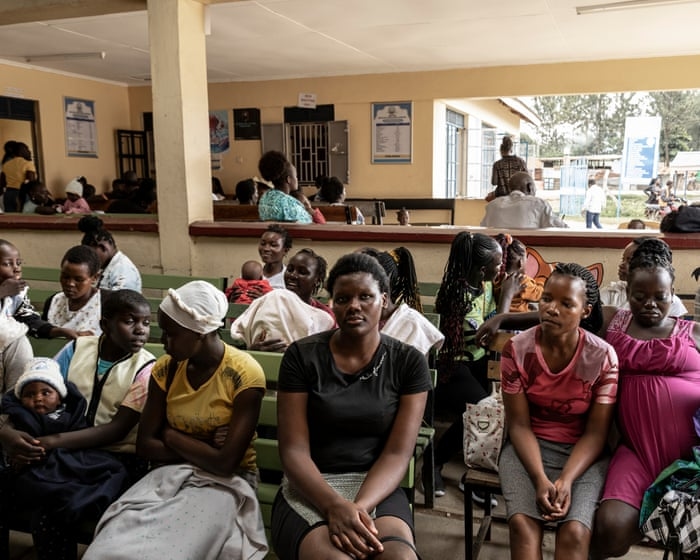

Exclusive: amid unrest, President William Ruto promised to give all Kenyans access to healthcare. But the algorithm favours the rich, an investigation has found An AI system used to predict how much Kenyans can afford to pay for access to healthcare, has systemically driven up costs for the poor, an investigation has found. The healthcare system being rolled out across the country, a key electoral promise of President William Ruto, was launched in October 2024 and intended to replace Kenya’s decades-old national insurance system. Exclusive : amid unrest, President William Ruto promised to give all Kenyans access to healthcare. But the algorithm favours the rich, an investigation has found An AI system used to predict how much Kenyans can afford to pay for access to healthcare, has systemically driven up costs for the poor, an investigation has found.
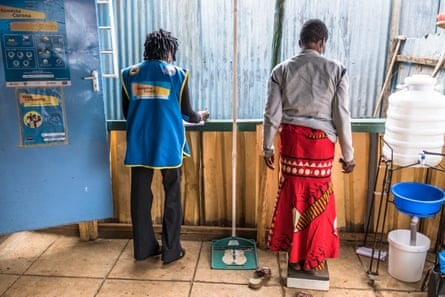
The healthcare system being rolled out across the country, a key electoral promise of President William Ruto, was launched in October 2024 and intended to replace Kenya’s decades-old national insurance system. It now determines healthcare contributions for millions of people through a means-testing process. People are often confused; some fear they are under investigation. The people Amani registers are some of the poorest in Nairobi, Kenya’s capital, yet most are charged fees they cannot afford. Amani has also seen critically ill people who cannot get treatment because they have not been able to pay the amount the AI system says they should.
“People are dying, people are suffering,” she said. The people she sees are exactly those the government promised would benefit most from the AI-driven health reforms. Kenyans without private insurance who do not pay their SHA premiums risk being turned away from health facilities or presented with steep hospital bills. “People are dying at home,” Amani said. Will they pay SHA, or pay for food, or pay for the small house they live in?” On social media, Kenyans have flooded comment sections with accounts of charges they cannot pay.
The system’s constraints meant that it could either correctly assess poor households, or correctly assess rich ones. The audit tested the system against thousands of real households. For family after family, the system overestimated their means. In Kenya’s case, the SHA system appears to overcharge more than half of poor households, according to the investigative audit by Africa Uncensored and Lighthouse. The incomes of higher-income households are underestimated.
That report, obtained by reporters, found SHA’s system was flawed and “inequitable, particularly for low-income households”. It was also “out-of-date with the current socioeconomic condition” in Kenya given the “multiple economic shocks” that ha Exclusive: amid unrest, President William Ruto promised to give all Kenyans access to healthcare. But the algorithm favours the rich, an investigation has found An AI system used to predict how much Kenyans can afford to pay for access to healthcare, has systemically driven up costs for the poor, an investigation has found. The healthcare system being rolled out across the country, a key electoral promise of President William Ruto, was launched in October 2024 and intended to replace Kenya’s decades-old national insurance system. Flaws in Kenya’s AI-driven health reforms driving up costs for the poorest