Botë · BBC
Germany says US troop withdrawal 'foreseeable' as Trump warns of more 'cuts'
In the US, two senior Republicans voice concern over President Trump's decision to pull out 5,000 troops. 6 minutes ago Share Save Add as preferred on Google Jaroslav Lukiv Germany's defence minister has said the US decision to withdraw 5,000 troops from his country was "foreseeable", as the Nato military alliance says it is seeking clarification from Washington.


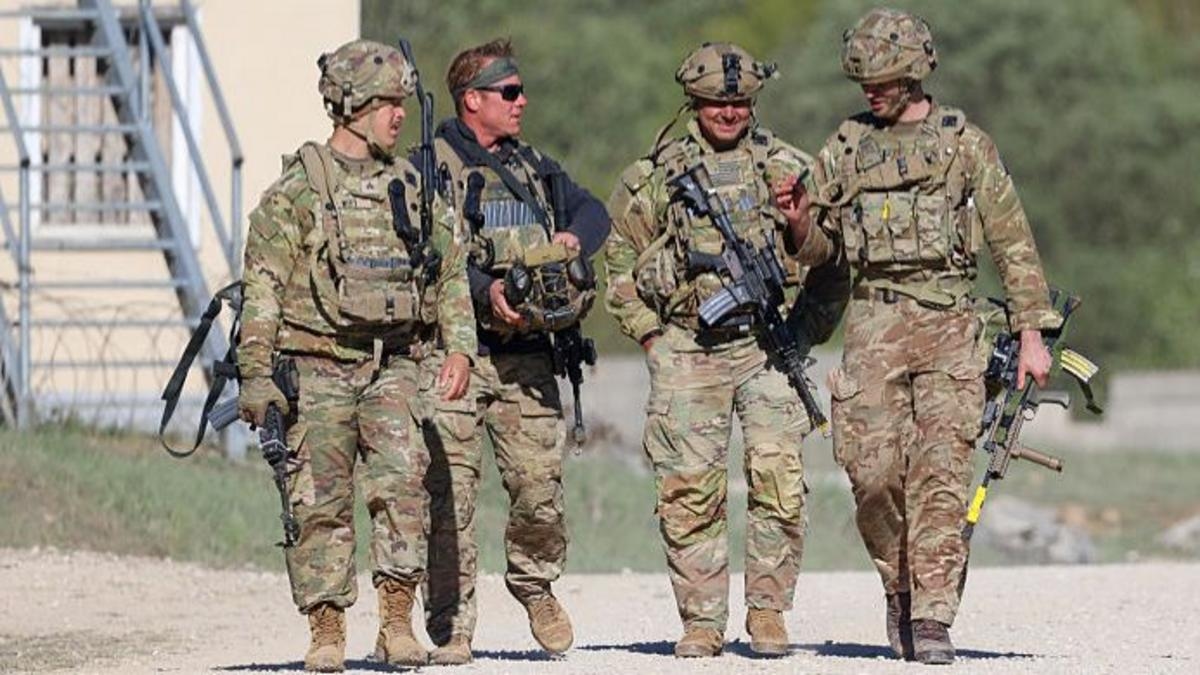
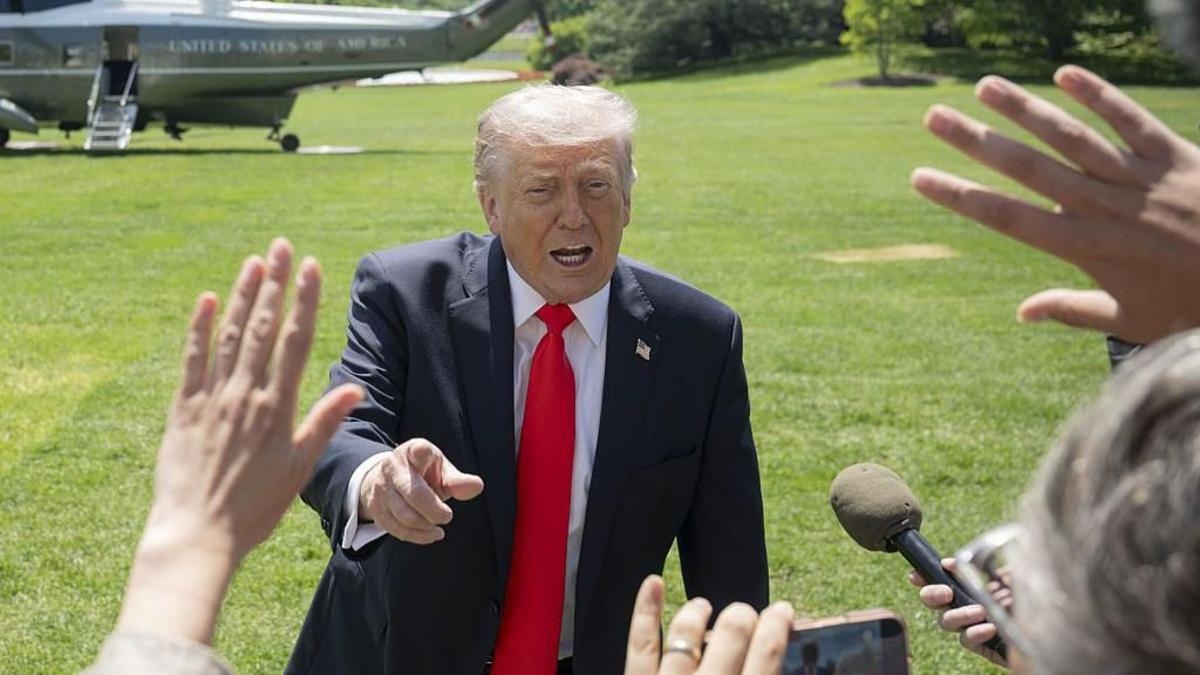
In the US, two senior Republicans voice concern over President Trump's decision to pull out 5,000 troops. 6 minutes ago Share Save Add as preferred on Google Jaroslav Lukiv Germany's defence minister has said the US decision to withdraw 5,000 troops from his country was "foreseeable", as the Nato military alliance says it is seeking clarification from Washington. Speaking to the DPA news agency, Boris Pistorius also stressed "the presence of American soldiers in Europe, and particularly in Germany, is in our interest and in the interest of the US". Meanwhile Nato spokeswoman Allison Hart said the alliance was "working with the US to understand the details of their decision". When asked on Saturday night about the withdrawal of troops, Trump said: "We're going to cut way down, and we're cutting a lot further than 5,000." He did not provide more details.
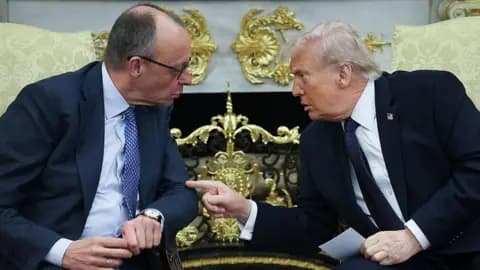
Washington's move comes after President Donald Trump criticised German Chancellor Friedrich Merz for saying the US had been "humiliated" by Iranian negotiators in the ongoing war. The US military deployment in Germany - currently at more than 36,000 active duty troops - is by far its biggest in Europe, compared with about 12,000 in Italy and 10,000 in the UK. When asked on Saturday night about the withdrawal of troops, Trump said: "We're going to cut way down, and we're cutting a lot further than 5,000." He did not provide more details. Trump has also suggested pulling US troops from Italy and Spain. Last year, Washington decided to reduce its troop presence in Romania, as part of Trump's plan to shift the focus of US military commitment from Europe to the Indo-Pacific region.
There are now growing concerns within the 32-member Nato alliance that the US latest decision could weaken the organisation. And two senior US lawmakers from Trump's Republican party said that they were "very concerned by the decision to withdraw a US brigade from Germany". In Saturday's interview with DPA, Pistorius also said Europe must take greater responsibility for its security, and that Berlin would now be working more closely with allies on the continent. "Germany is on the right track," he said, pointing out that his country has significantly boosted its military spending in recent years. Trump had previously accused Germany of being "delinquent" because its military spending was well below Nato's target of 2% of economic output (GDP).
But that has changed radically under the Merz government, with Germany now projected to spend €105.8bn (£91bn) on defence in 2027. Overall, Germany's defence expenditure is set to reach 3.1% of GDP, taking into account other defence funds, including Berlin's continuing aid to Ukraine as its continues to fight against invading Russian troops. In her post on X on Saturday, Nato's Allison Hart said the US decision to pull troops out of Germany "underscores the need for Europe to continue to invest more in defence and take on a greater share of the responsibility for our shared security. "We're already seeing progress since allies agreed to invest 5% of GDP at the Nato summit in The Hague last year." The latest spat between Trump and Merz was triggered by comments by the German chancellor on Monday. Merz told university students that "the Americans clearly have no strategy".
In response, Trump took to his platform Truth Social, saying Merz thought it was "OK for Iran to have a Nuclear Weapon" and "doesn't know what he's talking about". This was soon followed by the US troop withdrawal announcement. Trump, a longtime critic of the Nato alliance, has been lashing out at allies over their refusal to participate in operations to reopen the Strait of Hormuz, a key oil shipping route. Europe Germany Donald Trump Nato Friedrich Merz United States Iran war In the US, two senior Republicans voice concern over President Trump's decision to pull out 5,000 troops. Germany says US troop withdrawal 'foreseeable' as Trump warns of more 'cuts'