Botë · BBC
Germany troop cuts send wrong signal to Russia, say two top US Republicans
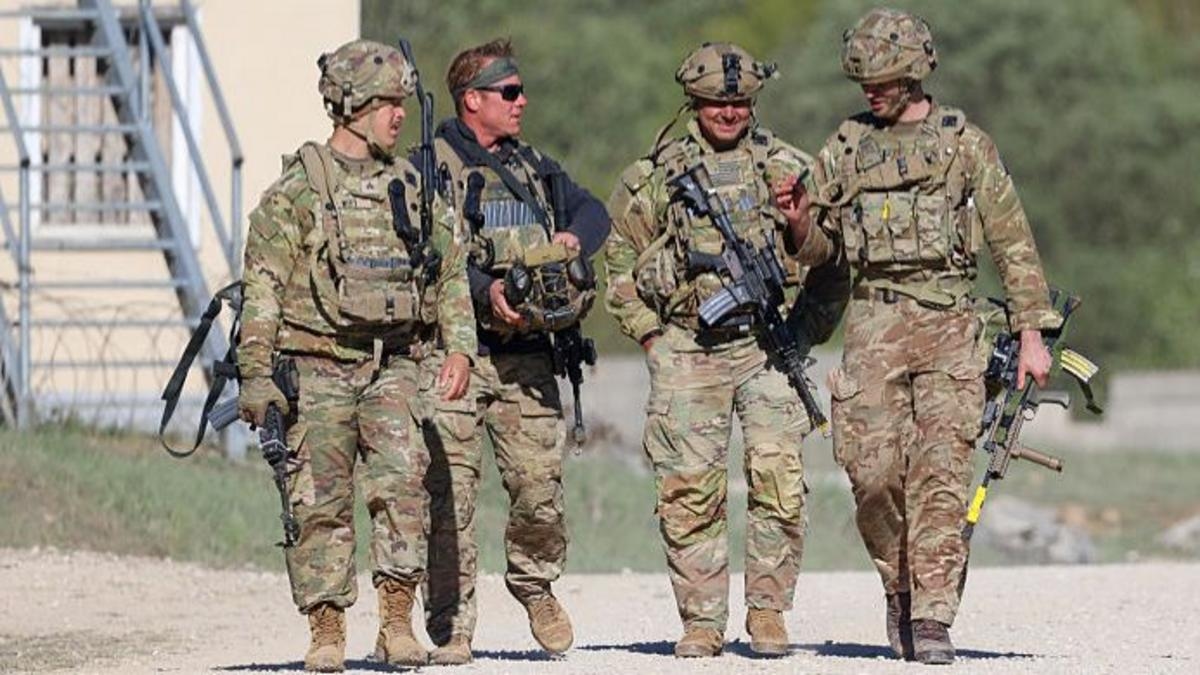
The chairs of the House and Senate armed services committees said withdrawing 5,000 service personnel risked undermining deterrence. 2 hours ago Share Save Add as preferred on Google Robert Greenall BBC News Two senior US Republican lawmakers have criticised a decision by the Pentagon to cut 5,000 US troops stationed in Germany, saying it risked undermining deterrence and would send the wrong signal to Russia.


The chairs of the House and Senate armed services committees said withdrawing 5,000 service personnel risked undermining deterrence. 2 hours ago Share Save Add as preferred on Google Robert Greenall BBC News Two senior US Republican lawmakers have criticised a decision by the Pentagon to cut 5,000 US troops stationed in Germany, saying it risked undermining deterrence and would send the wrong signal to Russia. Roger Wicker and Mike Rogers, who chair the Senate and House armed services committees respectively, said that rather than being withdrawn, those troops should be moved further east. Pentagon spokesperson Sean Parnell on Friday said the move followed a thorough review and recognised "theater requirements and conditions on the ground". On Saturday, President Donald Trump said further cuts could take place, without providing details.
The US has more than 36,000 active duty troops in Germany. Germany's defence minister said the Pentagon decision was "foreseeable ". Speaking to the DPA news agency, Boris Pistorius also stressed "the presence of American soldiers in Europe, and particularly in Germany, is in our interest and in the interest of the US". The Nato military alliance said it was seeking clarification from Washington. In a joint statement, Wicker and Rogers said they were "very concerned by the decision to withdraw a US brigade from Germany" as European allies move towards spending more of their economic output (GDP) on defence.
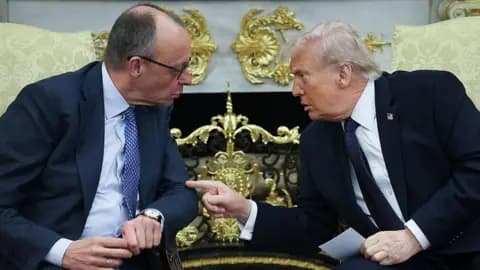
"Prematurely reducing America's forward presence in Europe before those capabilities are fully realised risks undermining deterrence and sending the wrong signal to Vladimir Putin," the statement said. "Rather than withdrawing forces from the continent altogether, it is in America's interest to maintain a strong deterrent in Europe by moving these 5,000 U.S. "Pulling 5K American troops from the arrogant Germans. "Better match, and western Europe would be so well protected by the League of the Royal Filibuster." Washington's move comes after Trump criticised German Chancellor Friedrich Merz for saying the US had been "humiliated" by Iranian negotiators in the ongoing war. The US military deployment in Germany is by far its biggest in Europe, compared with about 12,000 in Italy and 10,000 in the UK.
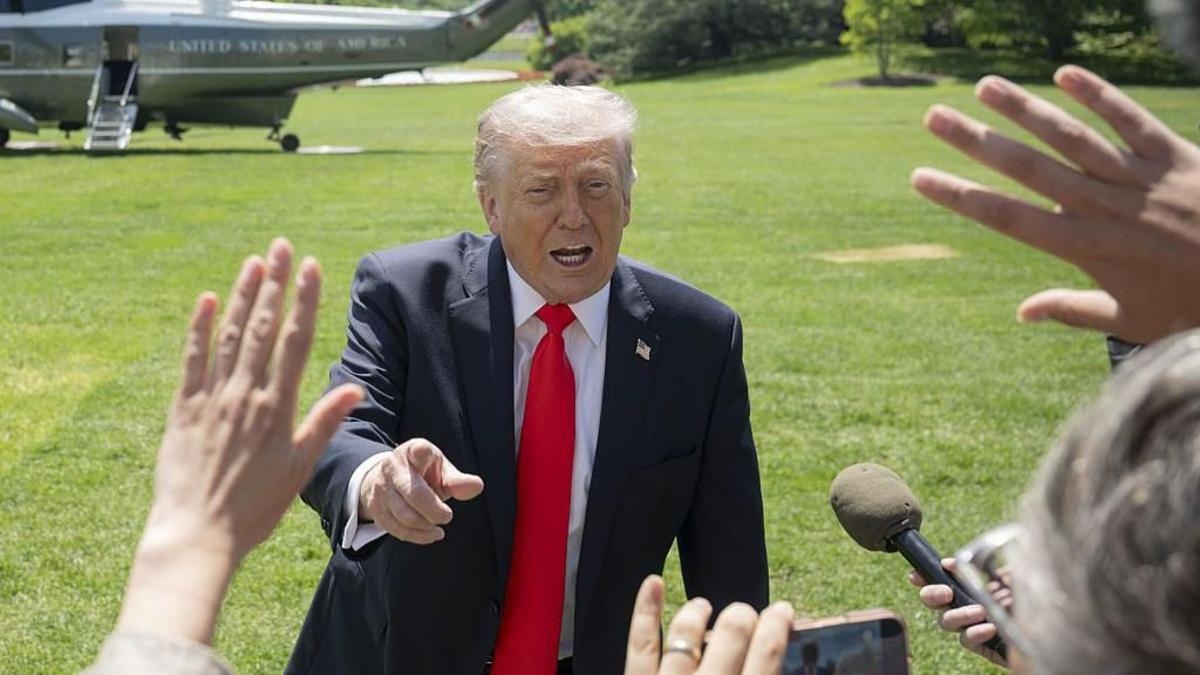
When asked on Saturday about the withdrawal of troops, Trump said: "We're going to cut way down, and we're cutting a lot further than 5,000." Trump has also suggested pulling US troops from Italy and Spain. Last year, Washington decided to reduce its troop presence in Romania, as part of Trump's plan to shift the focus of US military commitment from Europe to the Indo-Pacific region. There are now growing concerns within the 32-member Nato alliance that the latest US decision could weaken the organisation. Trump has previously accused Germany of being "delinquent" because its military spending was well below Nato's target of 2% of its GDP. That has changed under the governments of former Chancellor Olaf Scholz and Merz, with Germany now projected to spend €105.8bn (£91bn) on defence in 2027.
Overall, Germany's defence expenditure is set to reach 3.1% of GDP, taking into account other defence funds including Berlin's aid to Ukraine as it continues to fight against invading Russian troops. In a post on X on Saturday, Nato spokesperson Allison Hart said the alliance was working with the US to understand the details of the troop withdrawal decision, which "underscores the need for Europe to continue to invest more in defence and take on a greater share of the responsibility for our shared security". This was soon followed by the US troop withdrawal announcement, which the Pentagon said had come from Defence Secretary Pete Hegseth. Germany United States The chairs of the House and Senate armed services committees said withdrawing 5,000 service personnel risked undermining deterrence. Germany troop cuts send wrong signal to Russia, say two top US Republicans