Botë · BBC
'If we sleep, they bite': Rats and weasels infest camps for displaced Gazans
In the Gaza Strip, the daily battles are now with rats, weasels, and other pests spreading diseases. Everything was bloody." In the Gaza Strip, left devastated by war, the daily battles are now with rats, urban weasels and other pests spreading diseases.
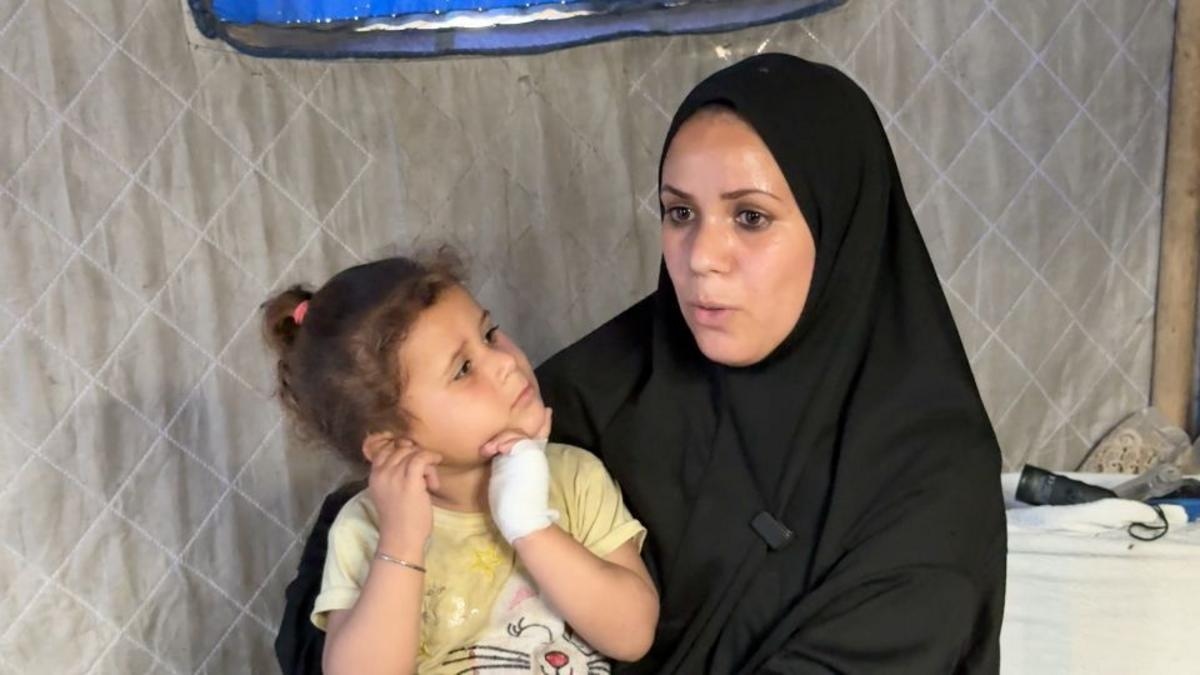
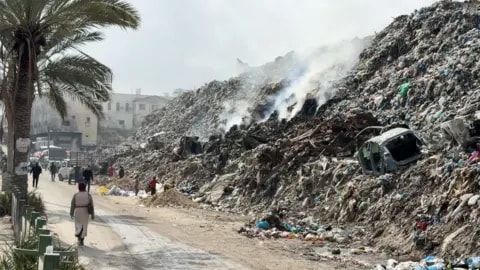
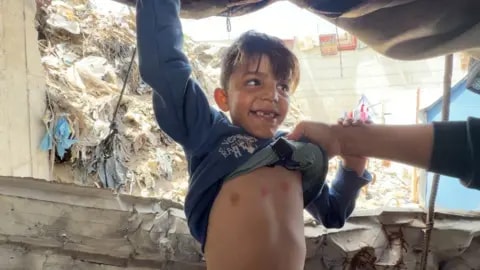
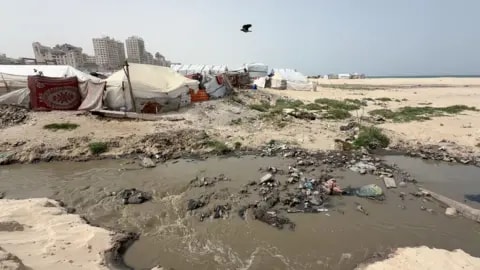
In the Gaza Strip, the daily battles are now with rats, weasels, and other pests spreading diseases. Everything was bloody." In the Gaza Strip, left devastated by war, the daily battles are now with rats, urban weasels and other pests spreading diseases. Aid workers are calling for urgent steps to counter a public health crisis. Cogat, the Israeli defence body that controls Gaza's crossings, says it is working with international organisations "to address sanitation needs". Mayaseen was given a tetanus injection in a Gaza City hospital but suffered from days of fever and vomiting.
She is now recovering in her family's tent. Social media feeds have recently shown footage of rats running amok in camps for displaced families, and of newborn babies, the sick and elderly after rodents have attacked them. In a recent survey, cited by UN agencies, rodents or pests were frequently visible in 80% of sites where displaced families are now living, affecting some 1.45 million people. These can cause respiratory and skin diseases, blood infections and food poisoning. More than six months after the US brokered a Gaza ceasefire deal, it has failed to deliver hoped-for improvements in the humanitarian situation and progress appears to be stuck.
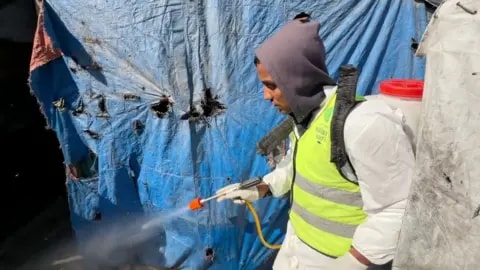
Hamas, which triggered the Gaza war with its deadly assault on Israel and mass hostage taking in October 2023, has not committed to disarming. "We cannot sleep! There are so many weasels and rats – an abnormal number," says Rizq Abu Laila, who lives right next to a rubbish dump in Gaza City with his four young children, one of whom has cancer. The rats have torn our clothes and eaten our flour. We call on international institutions to help us." UN agencies say they are working on improvements in pest control, drainage and sanitation.
"What is needed is a very large-scale campaign to be able to deal with the waste and rubble problems across Gaza," says the UN children's agency Unicef's deputy representative for Palestine, Ettie Higgins, in Deir al-Balah in central Gaza. They are also asking for access to Gaza's major landfill sites which are in eastern parts of the strip now under full Israeli military control. Ultimately, replacing damaged waste and sanitation facilities will need Israel to allow the entry of vital supplies from chemicals to pipes. "This includes coordinating the removal of waste piles, facilitating the entry of dedicated equipment for infrastructure repairs in accordance with requests and identified needs, and facilitating the entry of trucks and tankers for waste removal on behalf of the international aid organizations. "In parallel, and in accordance with requests from the UN and international aid organizations, ongoing coordination is conducted to facilitate the removal of garbage, solid waste, and sewage in designated areas." Cogat says it has recently allowed humanitarian groups to take nearly 1,000 rat traps and almost 10 tons of pesticides into Gaza.
More than four-fifths of households in Gaza report skin infections and rashes. There are weasels passing by or rats," says Hassan Al-Faqaawi a father-of-six in Khan Younis in southern Gaza. I don't see any lasting peace at all in Gaza. There is no life." Middle East Israel-Gaza war Israel Gaza Hamas In the Gaza Strip, the daily battles are now with rats, weasels, and other pests spreading diseases. 'If we sleep, they bite': Rats and weasels infest camps for displaced Gazans