Botë · BBC
Modi's BJP conquers Bengal, one of India's toughest political frontiers
West Bengal’s verdict could reshape not just the state’s politics, but the future trajectory of Modi’s BJP. 3 hours ago Share Save Add as preferred on Google Soutik Biswas India correspondent For years, India's West Bengal state was the great exception to Narendra Modi's political advance.
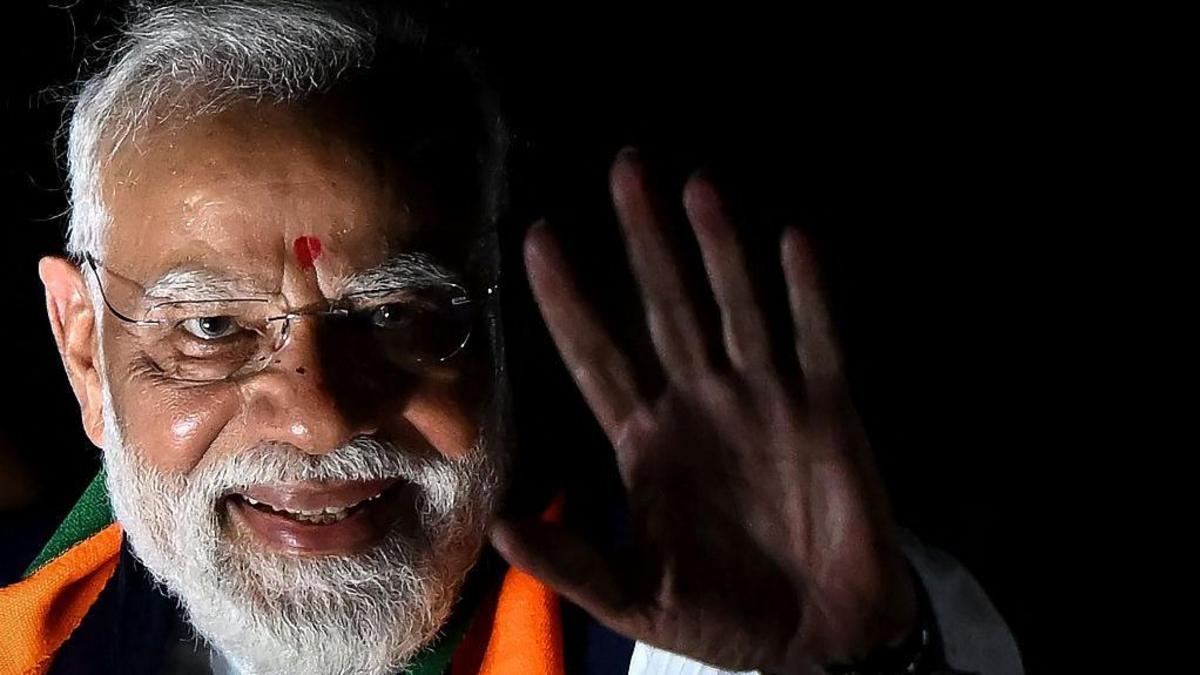
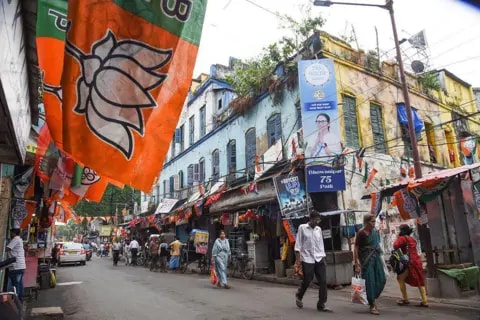
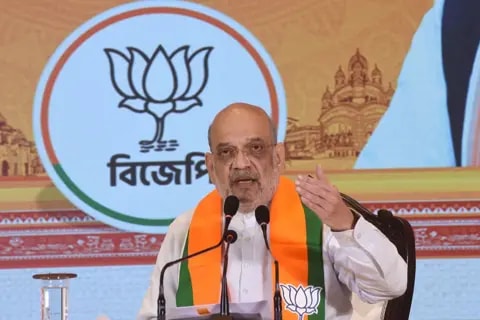
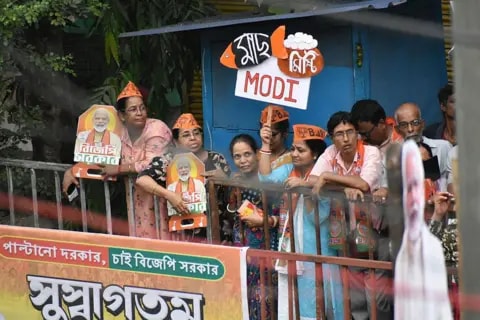
West Bengal’s verdict could reshape not just the state’s politics, but the future trajectory of Modi’s BJP. 3 hours ago Share Save Add as preferred on Google Soutik Biswas India correspondent For years, India's West Bengal state was the great exception to Narendra Modi's political advance. His Bharatiya Janata Party (BJP) had swept through India's Hindi-speaking heartland, expanded into the west and north-east, and overwhelmed once-formidable regional rivals. Yet Bengal - argumentative and steeped in a self-image of cultural exceptionalism - remained stubbornly resistant. That made this state election unusually consequential.
Monday's BJP victory there would rank among the most significant breakthroughs of Modi's 12-year reign. "Winning Bengal is a big victory for the BJP - a land of promise that has long eluded its grasp," says author and journalist Nilanjan Mukhopadhyay. Monday produced an extraordinary political churn across India's south as well. Yet nowhere were the results more politically significant than in Bengal. Political scientists have long described Bengal as a system that favours "hegemonic" parties.
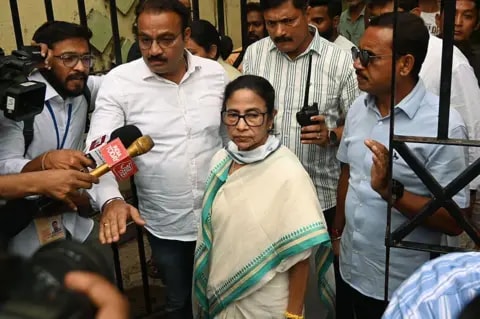
Voting trends show the BJP mopping up more than 44% of the vote this time. What makes the result particularly striking is that the BJP achieved this despite still lacking the kind of deep organisational machinery that regional parties historically required to win Bengal. Yet the BJP repeatedly sustained a commanding vote share despite allegations of rival political intimidation and the challenge of taking on one of India's most entrenched regional parties. "That suggests," Verma says, "the party's support now extends beyond the limits of its relatively thin organisational structure." So what shifted the election so sharply towards the BJP? For years, Banerjee's party forged a formidable social coalition: women, Muslims and large sections of the Hindu vote across both rural and urban Bengal.
This time, however, the BJP sought to directly challenge that advantage by promising larger cash transfers and expanded welfare benefits of its own. "Banerjee's long electoral success rested on a delicate equilibrium between welfare and organisation. "That balance broke down as the party machinery weakened and welfare politics appeared to reach its limits - voters began to see benefits as routine rather than transformative. While early indications suggest the party retained significant Muslim support this time too, the BJP has increasingly sought to offset that advantage through wider Hindu consolidation and competing welfare promises. "The BJP combined an aggressive welfare pitch with sharper polarisation.
BJP leaders, however, framed the result less as ideological consolidation than as a rejection of the Trinamool Congress itself. The TMC created a "crisis of leadership for itself," BJP leader Dharmendra Pradhan told one news network. With the BJP firmly on course for victory, the implications will extend far beyond Bengal. "More than Odisha, this would be seen as a personal political victory not only for Narendra Modi, but also for Home Minister Amit Shah, who effectively ran the West Bengal’s verdict could reshape not just the state’s politics, but the future trajectory of Modi’s BJP. Modi's BJP conquers Bengal, one of India's toughest political frontiers