Botë · The Guardian
Nigerian refinery accused of sacking union members is key to UK plan to tackle jet fuel shortage
Heidi Alexander says part of answer to strait of Hormuz crisis is importing more fuel from US and west Africa A refinery in Nigeria accused of dismissing workers for joining a union has emerged as key to the UK government’s hopes of saving the summer holiday amid a jet fuel shortage. Heidi Alexander, the transport secretary, said at the weekend that part of the answer to the strait of Hormuz crisis was to import more fuel from the US and west Africa.
Heidi Alexander says part of answer to strait of Hormuz crisis is importing more fuel from US and west Africa A refinery in Nigeria accused of dismissing workers for joining a union has emerged as key to the UK government’s hopes of saving the summer holiday amid a jet fuel shortage. Heidi Alexander, the transport secretary, said at the weekend that part of the answer to the strait of Hormuz crisis was to import more fuel from the US and west Africa. Continue reading... Heidi Alexander says part of answer to strait of Hormuz crisis is importing more fuel from US and west Africa A refinery in Nigeria accused of dismissing workers for joining a union has emerged as key to the UK government’s hopes of saving the summer holiday amid a jet fuel shortage. Heidi Alexander, the transport secretary, said at the weekend that part of the answer to the strait of Hormuz crisis was to import more fuel from the US and west Africa.
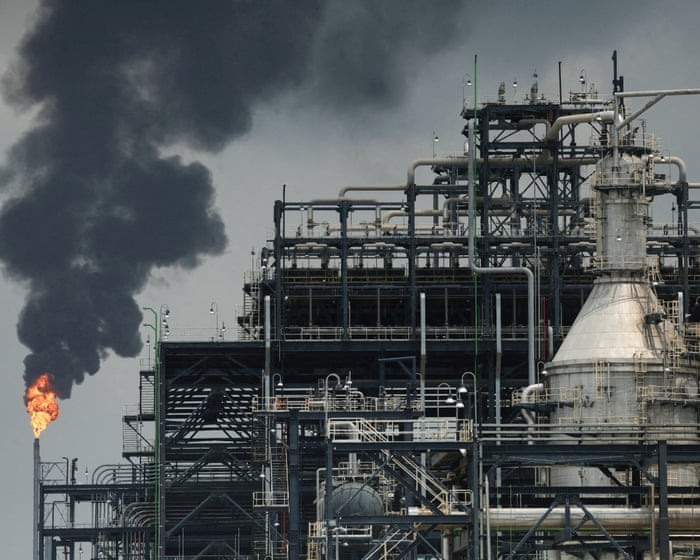
The main refinery on the west coast of Africa exporting fuel to the UK for commercial flights is Dangote in Lagos, which started producing aviation fuel in January 2024. According to the market data company Kpler, about 130,000 tonnes of jet fuel was imported into the UK in March from the huge Nigerian plant. Owned by the richest man in Africa , Aliko Dangote, the refinery has been accused by unions of being a “plantation of exploitation”. Last autumn, the Nigerian government had to mediate in a dispute when the company was accused of sacking workers after they had joined the Petroleum and Natural Gas Senior Staff Association of Nigeria (Pengassan) union. Dangote maintained that more than 3,000 Nigerians remained employed and that the company did not block union participation.
At the time of the dispute, Pengassan directed its branches at oil firms to enforce an immediate halt to crude oil and gas deliveries to the refinery. The Nigerian Labour Congress claimed that Dangote had a “consistent record of union-busting, exploitative labour practices”, adding: “We have it on good authority that Dangote refinery pays one of the lowest wages in the oil and gas sector in Nigeria today and treats its staff members beneath acceptable standards.” The government stepped in and confirmed the right to union membership, adding in a statement that it had been agreed that the “management of Dangote Group shall immediately begin the process of redeploying the disengaged staff to other companies within the Dangote Group, with no loss of pay”. An internal company memo was reportedly sent last week confirming that affected staff were being recalled. A spokesperson for Dangote Industries said the workers had been reabsorbed into the company in different sectors within the firm, including salt, sugar and cement, and denied that they had been dismissed for union membership. The same unions are extolling our industrialisation strategy and expressing positive sentiments over our vision for rescuing the country from perennial fuel shortage, long queues at the fuel stations, wasteful man-hours, substandard and dirty fuel imports.” Fossil fuels from the Gulf have effectively been at a standstill since 28 February, after the de facto closure of the strait of Hormuz shipping channel, through which a fifth of the world’s oil and gas flows.
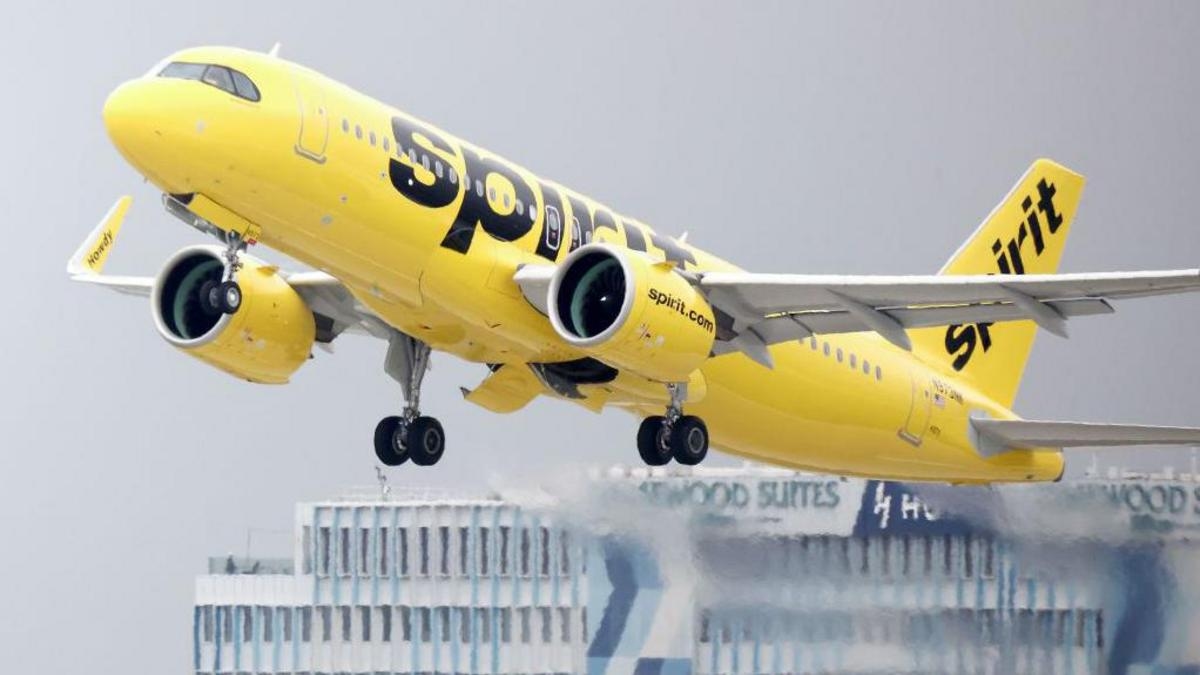
British refineries have already been asked to maximise jet fuel supply as part of government contingency planning, amid growing fears that planes will be grounded this summer. Alexander said: “We’re importing a lot more jet fuel from the US. We’ve got fuel for refineries that produce jet fuel here, we’ve got more oil, jet fuel coming from refineries on the west coast of Africa as well.” Matt Stanley, the head of market engagement at Kpler, said Dangote was producing aviation fuel to its maximum capacity after recent internal problems. “With jet fuel, you will pay what you have to pay. It’s less about pricing, it’s about volume, and they just want to keep the wheels turning.” A government spokesperson said: “Since the closure of the strait of Hormuz, the government has been monitoring UK jet fuels stocks and working with airlines, airports, and fuel suppliers on the situation.
“UK airlines are clear that they are not currently seeing a shortage of jet fuel. Aviation fuel is typically bought in advance and airports and their suppliers keep stocks of bunkered fuel to support their resilience.” Explore more on these topics Share Reuse this content Heidi Alexander says part of answer to strait of Hormuz crisis is importing more fuel from US and west Africa A refinery in Nigeria accused of dismissing workers for joining a union has emerged as key to the UK government’s hopes of saving the summer holiday amid a jet fuel shortage. Heidi Alexander, the transport secretary, said at the weekend that part of the answer to the strait of Hormuz crisis was to import more fuel from the US and west Africa. Continue reading... Nigerian refinery accused of sacking union members is key to UK plan to tackle jet fuel shortage