Botë · BBC
Shell profits rise as Iran war pushes oil prices higher
The energy giant reports profits of $6.92bn for the first three months of the year. 27 minutes ago Share Save Add as preferred on Google Nick Edser Business reporter Profits at oil giant Shell have risen in the first three months of the year following the sharp increase in oil prices since the beginning of the Iran war.
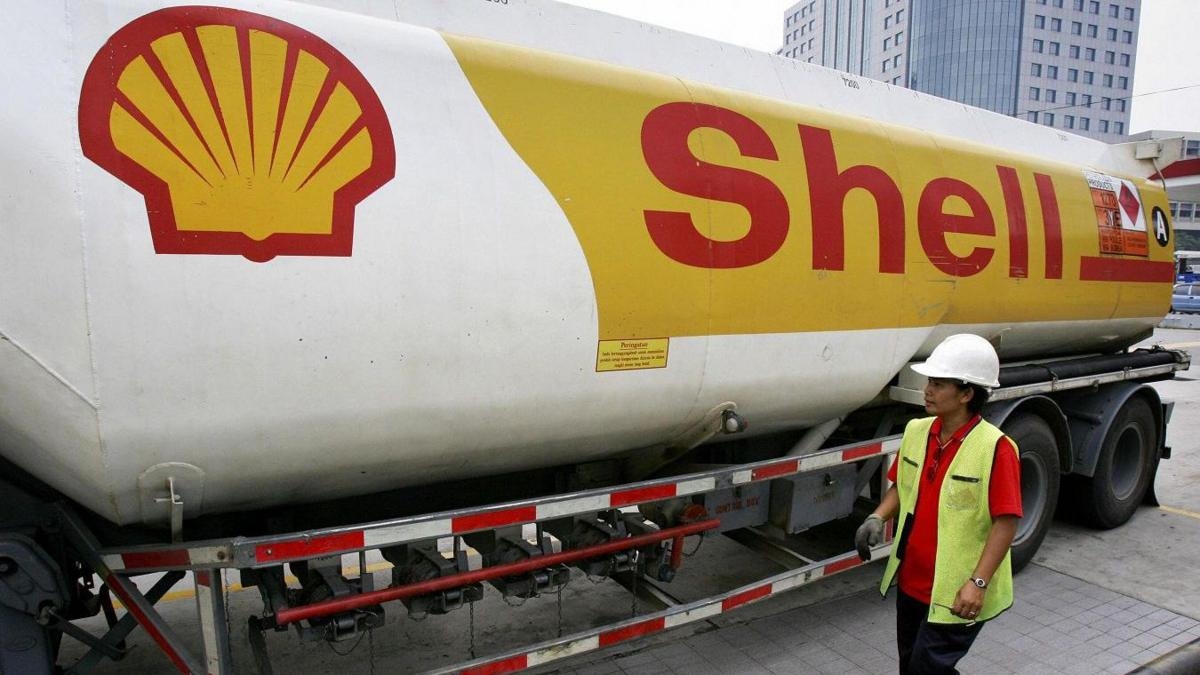
The energy giant reports profits of $6.92bn for the first three months of the year. 27 minutes ago Share Save Add as preferred on Google Nick Edser Business reporter Profits at oil giant Shell have risen in the first three months of the year following the sharp increase in oil prices since the beginning of the Iran war. Shell reported profits of $6.92bn (£5.1bn) for the first quarter, which was higher than analysts had expected and up from $5.58bn in the same period a year earlier. The price of oil has seen a big rise since the start of the US-Israel war with Iran as the key Strait of Hormuz, which usually carries about 20% of the global supplies of oil and liquid natural gas, has been effectively closed. Last week, rival energy giant BP said its profits for the first three months of the year had more than doubled. "Shell delivered strong results enabled by our relentless focus on operational performance in a quarter marked by unprecedented disruption in global energy markets," said Shell chief executive Wael Sawan.
"The safety of our people remains our priority as we work closely with governments and customers to address their energy needs." Like BP, one of the factors behind Shell's profits rise was better results from its oil trading business. Before the conflict began, the price of Brent crude, the global benchmark for oil prices, was around $73 a barrel. Since then, oil has seen sharp swings - peaking above $120 at one point, but also falling below $100 on other occasions as speculation has swirled over when the Strait of Hormuz will reopen. Brent currently stands at about $101 a barrel. The big movements in the oil price that have been seen since the Iran war began can widen the gap between buying and selling prices. This typically enables traders to make bigger profits.
However, Shell said its oil and gas output had fallen by 4% compared with the final three months of last year due to the conflict, which has led to its Qatari Pearl gas plant being damaged. Last week, Shell announced it was buying Canadian shale producer ARC Resources for $16.4bn, which Sawan said would "deliver value for decades to come". The surge in profits being reported by energy firms has led to criticism from environmental groups. Danny Gross, climate campaigner at Friends of the Earth, said: "Once again, fossil fuel giants are pocketing monstrous profits while drivers are being squeezed at the petrol pump and households are set to pay higher energy bills. "The answer is clear: strengthen the windfall tax on these indefensible profits and break our dependence on fossil fuels by powering our economy with homegrown renewables." Energy firms operating in the UK are subject to a windfall tax, called the Energy Profits Levy, that was introduced in 2022 as a response to soaring profits following Russia's full-scale invasion of Ukraine. Labour extended the life of the tax to March 2030.
However, the levy only applies to profits made from extracting oil and gas in the UK, whereas the bulk of energy giants' earnings are made overseas. Gas and electricity bills for most households in Britain are protected for the moment by the energy price cap. Until 30 June, the typical annual bill for dual-fuel households who pay by direct debit will be £1,641. However, the jump in wholesale oil and gas prices since the Iran war began means the cap is currently estimated to rise by about £200 when it is revised in July. Shell Oil & Gas industry The energy giant reports profits of $6.92bn for the first three months of the year. Shell profits rise as Iran war pushes oil prices higher