Sport · BBC
The remarkable life of Zanardi, a 21st century hero who inspired millions
Alex Zanardi was a 21st century hero - a man who inspired millions through his unquenchable spirit in the face of unbelievable adversity, writes Andrew Benson. By Andrew Benson F1 Correspondent Alex Zanardi, who has died aged 59 , was a 21st century hero.
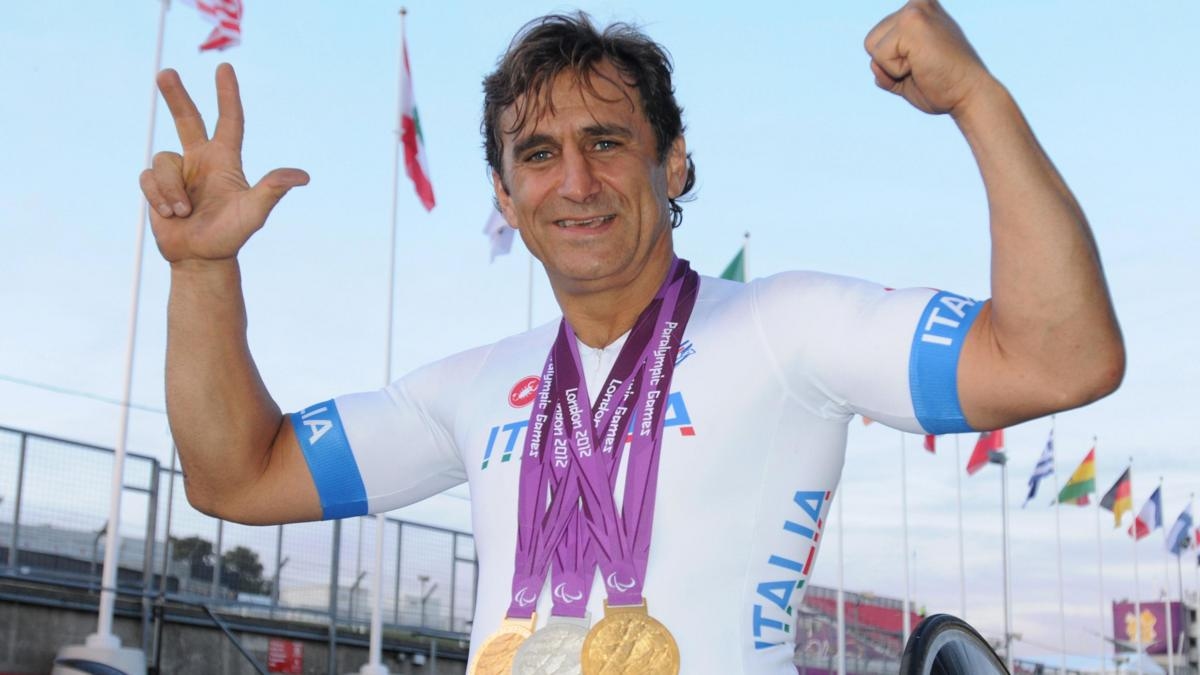
Alex Zanardi was a 21st century hero - a man who inspired millions through his unquenchable spirit in the face of unbelievable adversity, writes Andrew Benson. By Andrew Benson F1 Correspondent Alex Zanardi, who has died aged 59 , was a 21st century hero. A man who inspired millions through his unquenchable spirit in the face of unbelievable adversity. The dividing line between those two parts of his life was a horrific accident at Germany's Lausitzring, in which Zanardi lost both his legs, most of his blood, and was saved from death only by rapid and decisive medical intervention. Zanardi was a man who experienced so much pain in his life, but whose outlook was always positive, no matter the difficulty he faced.
Zanardi wins gold at Paralympics Zanardi shows 'significant improvement' What pulled Zanardi through, and enabled him to go on to achieve at the elite sporting level again, was his remarkable force of will. "I am very lucky," Zanardi once said. "I don't feel like I am living a second life. Securing a seat for 1996 with the Ganassi team in the US-based Cart Championship series, the highest profile of two Indycar series at the time, turned his career around. Zanardi later admitted he probably did not give it the dedication it needed, and Williams were in something of a decline.
The relationship never seemed to gel, Zanardi rarely showed the performance the team expected of him, and Williams released him at the end of the year. Zanardi found a seat back in Cart in 2001, driving for a team set up by his former Ganassi engineer Mo Nunn. He was leading the race at Germany's Lausitzring oval held just four days after the 11 September attacks in the US when the accident that changed his life took place. Exiting the pits in the closing stages of the race, Zanardi made a mistake and spun on to the track. Canadian Alex Tagliani hit Zanardi's car broadside, at close to 200mph, tearing off its nose.
Talking about regaining consciousness in hospital in Berlin eight days after the accident, Zanardi said: "I surprised myself feeling, or sensing, the highest joy I have ever had in my life. Although now into his 40s, Zanardi had already embarked on another challenge that would lead to his greatest achievements. Then, at the 2012 London Olympics, he took gold medals in the road race and the road time trial, following up with another double in Rio De Janeiro four years later, this time twinning the road time trial with the road team relay. Zanardi was now famous across the globe and a man in constant demand. "Frankly, I don't think the accident made me a better person.
"That makes me less afraid of what lies ahead because life brings fantastic things but also bad things. Zanardi, like Senna, was a hero to millions across the globe. And, like Senna, his legacy will long outlive him. Alex Zanardi was a 21st century hero - a man who inspired millions through his unquenchable spirit in the face of unbelievable adversity, writes Andrew Benson. The remarkable life of Zanardi, a 21st century hero who inspired millions


