Botë · BBC
US threatens shipping firms with sanctions if they pay Iran tolls
The warning comes as President Donald Trump said he was "not excited" by Iran's latest proposal for a peace deal. 54 minutes ago Share Save Add as preferred on Google Tinshui Yeung The US has warned shipping companies they could face sanctions if they pay Iran for safe passage through the Strait of Hormuz.

The warning comes as President Donald Trump said he was "not excited" by Iran's latest proposal for a peace deal. 54 minutes ago Share Save Add as preferred on Google Tinshui Yeung The US has warned shipping companies they could face sanctions if they pay Iran for safe passage through the Strait of Hormuz. An alert on Friday by the US Office of Foreign Assets Control (OFAC) warned US persons and companies were generally banned from paying Iranian government entities, and non-US persons may risk exposure to sanctions if they pay. "Maritime industry participants involved with vessels calling at Iranian ports face significant sanctions risk under multiple sanctions authorities targeting Iran's shipping sector and ports", OFAC said. Iran has severely limited traffic through the strait since the war began in February.
The US has also enforced a naval blockade on Iranian ports. Iran has called the US interception of ships entering and leaving Iranian ports under the blockade "piracy". OFAC's alert said payments could involve cash as well as "digital assets, offsets, informal swaps, or other in-kind payments," including charitable donations and payments at Iranian embassies. The agency warned that non-US persons who pay could also face civil and criminal enforcement liability if payments cause US persons, such as insurers and financial institutions, to violate sanctions. The US Treasury also announced sanctions on three Iranian foreign currency exchange houses on Friday, saying they have converted oil revenue into more usable currencies.
After the US and Israel attacked Iran on 28 February, Iran has been targeting and striking ships passing through the Strait of Hormuz, including seizing two of them. The US has also enforced a naval blockade since 13 April, stopping all ships from travelling to or from Iranian ports. Trump had hoped the blockade would put pressure on Iran by targeting its revenue from the tolls and oil sales. US Central Command (Centcom) said on Friday that 45 commercial ships have been told to turn around since the blockade began. The strait is a crucial shipping channel for oil and other goods including food, medicines and technological supplies.
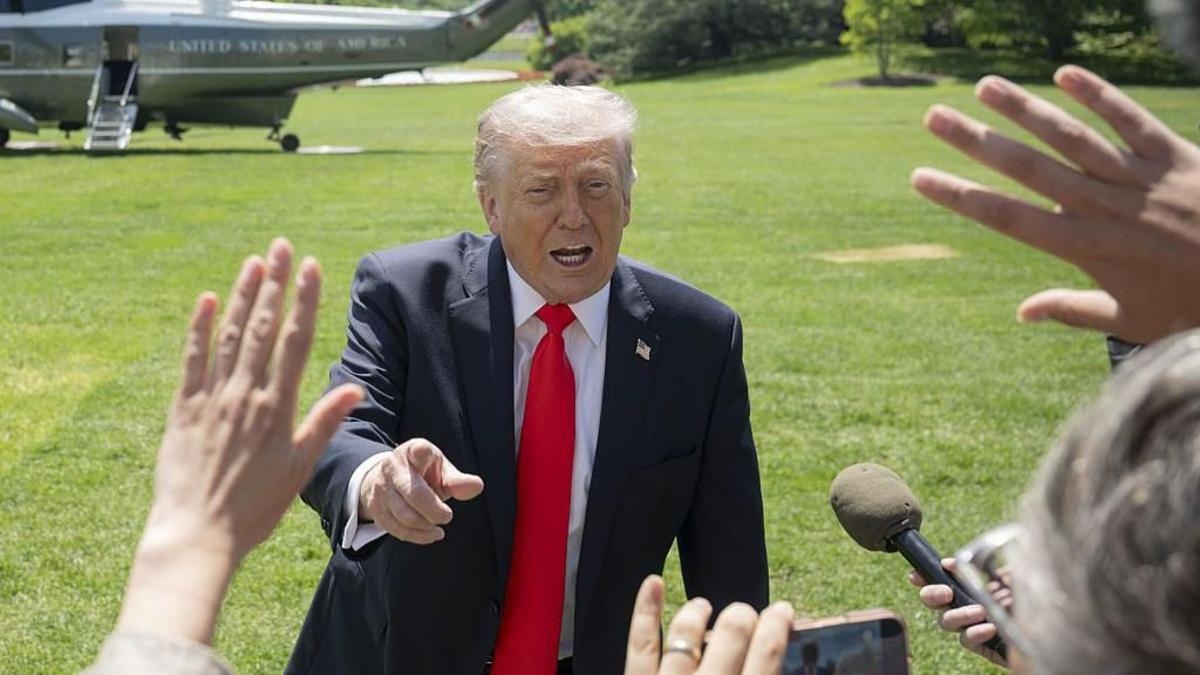
Higher transport and fuel costs "disproportionately affect people in emergencies", including refugees and displaced people, the agency said. Iran gave mediators in Pakistan a proposal to end the war on Thursday night, according to Iran's state-run IRNA news agency. However, US President Donald Trump has responded negatively to the proposal. "They want to make a deal, I'm not excited, so we'll see what happens," Trump said on Friday. On Thursday, Trump said he was briefed on options for Iran ranging from "blast the hell out of them and finish them forever" to "make a deal".
The conflict began after the US and Israel carried out wide-ranging strikes on Iran in February. Iran responded by launching attacks on Israel and US-allied states in the Gulf. The US and Israel said Iran was trying to develop a nuclear bomb, which Tehran has strongly denied. Middle East Iran United States Iran war The warning comes as President Donald Trump said he was "not excited" by Iran's latest proposal for a peace deal. US threatens shipping firms with sanctions if they pay Iran tolls