Opinion · The Guardian
Pse Friedrich Merz vendosi të rrezikojë zemërimin e Donald Trump | Jörg Lau
Ndëshkimi i Trump është i dhimbshëm për Gjermaninë dhe NATO-n, por Merz nuk po tërhiqet. Ai e di se status quo-ja është e paqëndrueshme Ajo që filloi si një përplasje midis Friedrich Merz dhe Donald Trump për luftën e Iranit po shndërrohet me shpejtësi në një shkëputje historike midis Gjermanisë dhe SHBA.
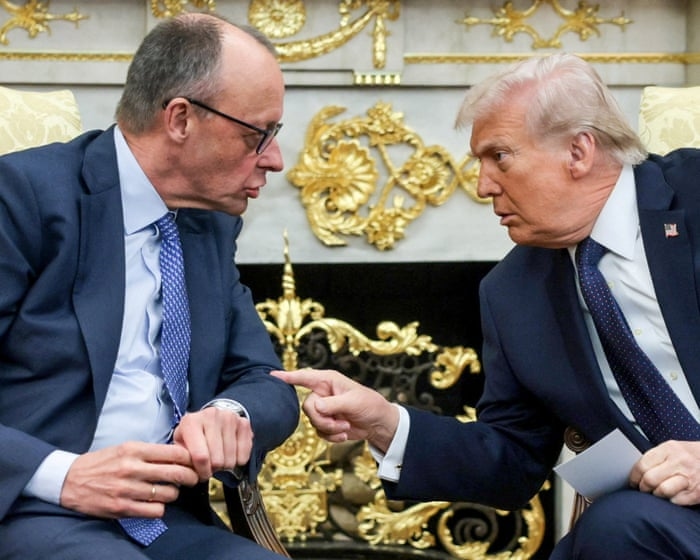
Ndëshkimi i Trump është i dhimbshëm për Gjermaninë dhe NATO-n, por Merz nuk po tërhiqet. Ai e di se status quo-ja është e paqëndrueshme Ajo që filloi si një përplasje midis Friedrich Merz dhe Donald Trump për luftën e Iranit po shndërrohet me shpejtësi në një shkëputje historike midis Gjermanisë dhe SHBA. Në Gjermani, rënia transatlantike shton problemet e brendshme të një qeverie koalicioni në krizë, duke lënë në hije përvjetorin e parë të marrjes së Merzit si kancelar nesër.Më e rëndësishmja, kjo dëshmon kotësinë e përpjekjes së Merzit për të qenë pëshpëritësi Trump i Evropës dhe vë në pikëpyetje besueshmërinë e NATO-s. Por mosmarrëveshja gjithashtu rrit ambicien që udhëheqësi konservator i Gjermanisë vendosi natën e fitores zgjedhore të partisë së tij: për ta bërë Evropën më të pavarur nga ombrella e sigurisë amerikane.
Jörg Lau është korrespondent ndërkombëtar për të përjavshmen gjermane Die Zeit Continue reading...Ndëshkimi i Jörg Lau Trump është i dhimbshëm për Gjermaninë dhe NATO-n, por Merz nuk po tërhiqet. Ai e di se status quo-ja është e paqëndrueshme pasi filloi një përplasje midis Friedrich Merz dhe Donald Trump për luftën e Iranit që po shndërrohet me shpejtësi në një shkëputje historike midis Gjermanisë dhe SHBA-së. Në Gjermani, rënia transatlantike shton problemet e brendshme të një qeverie koalicioni në krizë, duke lënë në hije përvjetorin e parë të marrjes së Merzit si kancelar nesër.Më e rëndësishmja, kjo dëshmon kotësinë e përpjekjes së Merzit për të qenë pëshpëritësi Trump i Evropës dhe vë në pikëpyetje besueshmërinë e NATO-s.
Por mosmarrëveshja gjithashtu rrit ambicien që udhëheqësi konservator i Gjermanisë vendosi natën e fitores zgjedhore të partisë së tij: për ta bërë Evropën më të pavarur nga ombrella e sigurisë amerikane. Merz ka zëvendësuar Papa Leon si shënjestrën e preferuar të invektivit të mediave sociale të natës vonë të Trump. Për të thënë atë që është e qartë, Merz nuk mendon se kjo do të ishte në rregull.Në Zyrën Ovale me Trump në mars, Merz kishte rënë dakord në mënyrë eksplicite me qëllimin e luftës së Trump për të hequr qafe regjimin iranian. Pra, pse Merz papritmas vendosi të shkojë drejt e në jugul të vetë-imazhit narcisist të Trump – aftësia e tij e supozuar e marrëveshjes?
Merzi nuk po tërhiqet. Edhe kur Trump kërcënoi të pushtonte Grenlandën, Merz argumentoi për një reagim të qetë evropian. Kjo luftë po minon sigurinë evropiane.Për një vit tashmë, Merz është përpjekur të menaxhojë Trumpin përmes koncesioneve dhe qetësimit. Eksploro më shumë mbi këto tema Shpërndaje Përdore përsëri këtë përmbajtje Ndëshkimi i Trump është i dhimbshëm për Gjermaninë dhe NATO-n, por Merz nuk po tërhiqet.
Ai e di se status quo-ja është e paqëndrueshme Ajo që filloi si një përplasje midis Friedrich Merz dhe Donald Trump për luftën e Iranit po shndërrohet me shpejtësi në një shkëputje historike midis Gjermanisë dhe SHBA.Në Gjermani, rënia transatlantike shton problemet e brendshme të një qeverie koalicioni në krizë, duke lënë në hije përvjetorin e parë të marrjes së Merzit si kancelar nesër. Më e rëndësishmja, kjo dëshmon kotësinë e përpjekjes së Merzit për të qenë pëshpëritësi Trump i Evropës dhe vë në pikëpyetje besueshmërinë e NATO-s. Jörg Lau është korrespondent ndërkombëtar për të përjavshmen gjermane Die Zeit Continue reading...