Kulturë · The Guardian
Gun-toting drunks, boy-eating sharks and bloodsucking babies: the violent, brilliant stories of Eric Walrond
Tropic Death – 10 blistering, astonishing stories about racist, exploitative outrages in Caribbean ‘paradises’ – won him a Guggenheim award. Why did this star of the Harlem Renaissance die such a sad and lonely death?
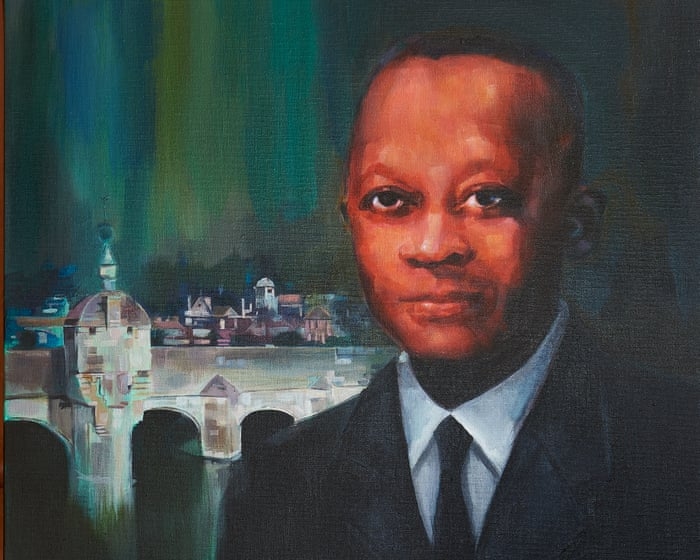
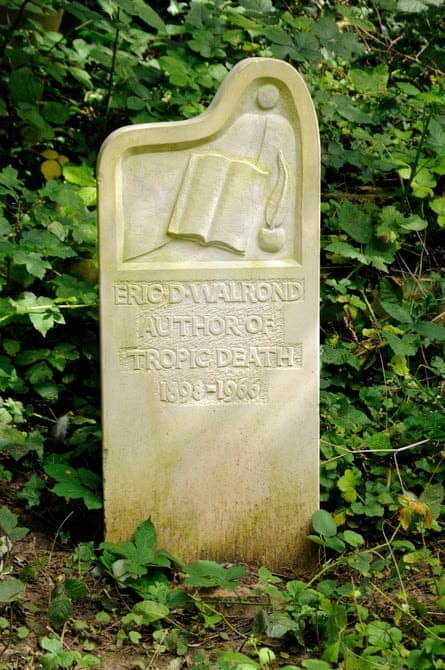
Tropic Death – 10 blistering, astonishing stories about racist, exploitative outrages in Caribbean ‘paradises’ – won him a Guggenheim award. Why did this star of the Harlem Renaissance die such a sad and lonely death? How does a writer disappear? This year marks six decades since the death of Eric Walrond, a Guyana-born writer who cut his literary teeth amid the Harlem Renaissance, kept company with the likes of Countee Cullen and WEB Du Bois, wrote a book once hailed as “the greatest short story work in the entire body of West Indian literature”, then dropped off the cultural map completely. That work is Tropic Death, a truly trailblazing counter-pastoral portrait of the Caribbean locales of his youth.
Four of the book’s 10 stories are set in the US-controlled Panama Canal Zone, where his father had worked: an economy of subjection structured by a rigid caste system that promoted white supremacy over its global mix of migrant and indentured labourers. This year is the centenary of Tropic Death’s publication. Tropic Death – 10 blistering, astonishing stories about racist, exploitative outrages in Caribbean ‘paradises’ – won him a Guggenheim award. Why did this star of the Harlem Renaissance die such a sad and lonely death? This year marks six decades since the death of Eric Walrond, a Guyana-born writer who cut his literary teeth amid the Harlem Renaissance, kept company with the likes of Countee Cullen and WEB Du Bois, wrote a book once hailed as “the greatest short story work in the entire body of West Indian literature”, then dropped off the cultural map completely.
That work is Tropic Death, a truly trailblazing counter-pastoral portrait of the Caribbean locales of his youth. Four of the book’s 10 stories are set in the US-controlled Panama Canal Zone, where his father had worked: an economy of subjection structured by a rigid caste system that promoted white supremacy over its global mix of migrant and indentured labourers. This year is the centenary of Tropic Death’s publication. Walrond was an “outsider twice removed”. As its title suggests, Tropic Death tends toward the macabre and gothic.
Tropic Death netted Walrond a Guggenheim award and received numerous critical accolades, but not all his contemporaries welcomed its publication. Garvey included Walrond on a list of “literary prostitutes” whom he believed wrote for the approval of the white establishment. Instead, Walrond crossed the Atlantic. Walrond began thinking of himself as a failure. Explore more on these topics Share Reuse this content Tropic Death – 10 blistering, astonishing stories about racist, exploitative outrages in Caribbean ‘paradises’ – won him a Guggenheim award.
Why did this star of the Harlem Renaissance die such a sad and lonely death? This year marks six decades since the death of Eric Walrond, a Guyana-born writer who cut his literary teeth amid the Harlem Renaissance, kept company with the likes of Countee Cullen and WEB Du Bois, wrote a book once hailed as “the greatest short story work in the entire body of West Indian literature”, then dropped off the cultural map completely. That work is Tropic Death, a truly trailblazing counter-pastoral portrait of the Caribbean locales of his youth. This year is the centenary of Tropic Death’s publication.