Kulturë · The Guardian
Harriet Clark kaloi një jetë të tërë duke vizituar nënën e saj, një ish-anëtare e "Weather Underground", në burg: "SHBA gjithmonë ka përdorur ndarjen e familjes për të destabilizuar"
Klarku ishte foshnjë kur nëna e saj u arrestua. Romani i saj debutues pyet se si është për fëmijët që kanë njohur ndonjëherë vetëm një prind në burg Në romanin debutues të Harriet Clark, The Hill, një murgeshë shpjegon se si është për foshnjat e lindura në burg.


Klarku ishte foshnjë kur nëna e saj u arrestua. Romani i saj debutues pyet se si është për fëmijët që kanë njohur ndonjëherë vetëm një prind në burg Në romanin debutues të Harriet Clark, The Hill, një murgeshë shpjegon se si është për foshnjat e lindura në burg. "Ata nuk e dinë që janë në burg," thotë ajo, "por ata e dinë kur i detyrojmë të largohen.” Protagonistja e fëmijës së librit është Suzana, nëna e së cilës ka vuajtur një dënim të përjetshëm për aq kohë sa mund të mbajë mend.Nuk ka shpresë se Suzana dhe nëna e saj do të kenë një marrëdhënie jashtë mureve të burgut. Klarku ishte foshnjë kur nëna e saj u arrestua.
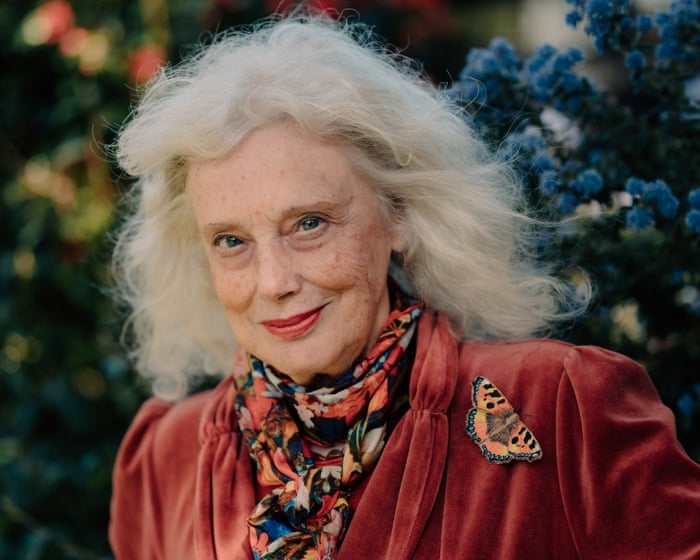
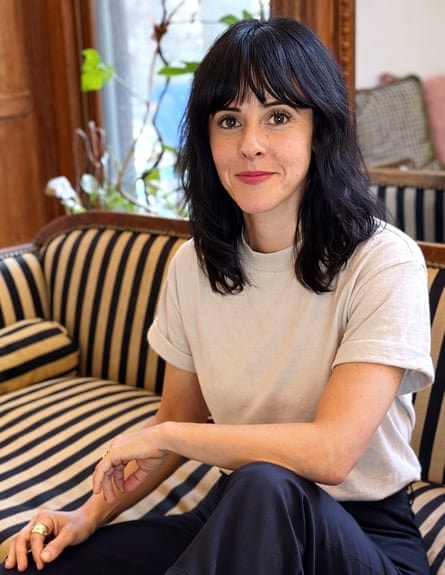
Romani i saj debutues pyet se si është për fëmijët që kanë njohur ndonjëherë vetëm një prind në burg Në romanin debutues të Harriet Clark, The Hill, një murgeshë shpjegon se si është për foshnjat e lindura në burg. "Ata nuk e dinë që janë në burg," thotë ajo, "por ata e dinë kur i detyrojmë të largohen.” Protagonistja e fëmijës së librit është Suzana, nëna e së cilës ka vuajtur një dënim të përjetshëm për aq kohë sa mund të mbajë mend. Nuk ka shpresë se Suzana dhe nëna e saj do të kenë një marrëdhënie jashtë mureve të burgut. E njëjta gjë ishte e vërtetë për Harriet dhe nënën e saj, Judith Clark, të cilën ajo e vizitoi në burg për pjesën më të madhe të gati 40 viteve. Liria, më thotë Harriet, “kurrë nuk ka ekzistuar në horizont për mua dhe nënën time.Harriet, e lindur në vitin 1980, ishte 11 muajshe kur nëna e saj u arrestua. Në një profil të New York Times të vitit 2012, të shkruar kur ishte ende në burg, Judith Clark përshkroi se si fëmija i saj do të qante duke mos qenë në gjendje të prekte nënën e saj gjatë vizitave në burg – kontakti fizik ishte kundër rregullave. Nëna e saj është në burg për një krim që i ngjan atij të Judith Clark. "Askush nuk di më shumë se nëna ime se nëna në libër nuk është ajo," thotë Klark."Nuk nxora asgjë nga burgu i nënës sime", thotë ajo.
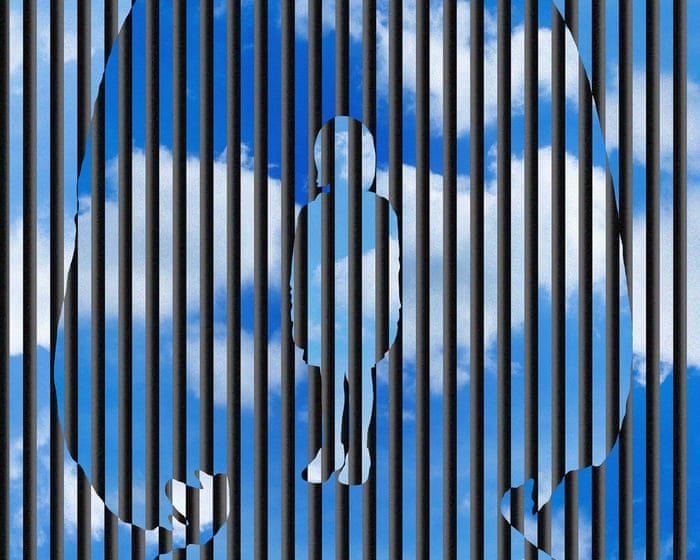
Çdo javë, Suzanna bën udhëtimin e gjatë nga apartamenti i gjyshërve të saj në Manhatan në burgun imagjinar të grave Hillcrest. Burgu është në majë të një kodre, një kodër ku Suzana duhet të ngjitet për të parë nënën e saj, dhe pastaj më vonë të zbresë kur ajo lë pas nënën e saj. "Nëna ime dhe unë jetonim në majën e përjetshme të një kodre të lidhur me kohë," thotë Suzana. "[Burgu] është si ena e madhe mbajtëse e jetës së saj," thotë Klark."Doja shumë të shmangja tmerret e burgut me të cilat jemi përshtatur," thotë Klark.
Në Klark ishte një foshnje kur nëna e saj u arrestua. Romani i saj debutues pyet se si është për fëmijët që kanë njohur ndonjëherë vetëm një prind në burg Në romanin debutues të Harriet Clark, The Hill, një murgeshë shpjegon se si është për foshnjat e lindura në burg. "Ata nuk e dinë që janë në burg," thotë ajo, "por ata e dinë kur i detyrojmë të largohen.” Protagonistja e fëmijës së librit është Suzana, nëna e së cilës ka vuajtur një dënim të përjetshëm për aq kohë sa mund të mbajë mend. Nuk ka shpresë se Suzana dhe nëna e saj do të kenë një marrëdhënie jashtë mureve të burgut.