Kulturë · The Guardian
Next stop – infinity! My transcendental experience on Japan’s ‘art island’ guided by its master Lee Ufan
Is this the ultimate location for contemplative art? Our writer travels to the legendary island of Naoshima – and meets the great creator of its most spellbinding works.
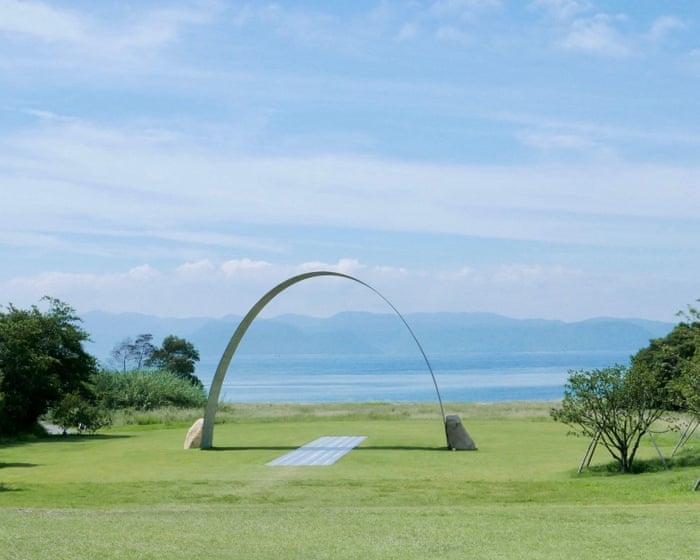
Is this the ultimate location for contemplative art? Our writer travels to the legendary island of Naoshima – and meets the great creator of its most spellbinding works. Will he step through the arch and find nirvana? The island of Naoshima used to be heavily polluted and dominated by a Mitsubishi plant. Now, after being redeveloped by the billionaire Sōichirō Fukutake in 1989, it’s known as Japan’s “art island”.
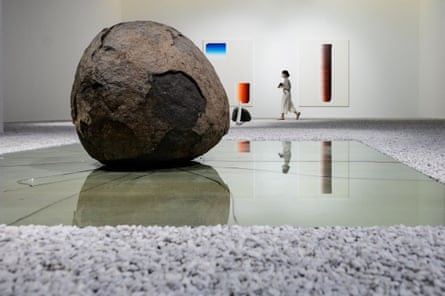
Boasting 3,000 inhabitants and rising up out of Seto Inland Sea, the island is studded with dim, concrete-walled galleries sunk into the hillsides. As all the retired American couples treating themselves to a trip of a lifetime would attest, Naoshima has become the ultimate destination for those seeking a transcendental visual experience. Underneath it is a long steel plate acting as a kind of runway, enticing visitors to walk through the arch towards the sea. Interview Alex Needham Is this the ultimate location for contemplative art? Our writer travels to the legendary island of Naoshima – and meets the great creator of its most spellbinding works.
T he island of Naoshima used to be heavily polluted and dominated by a Mitsubishi plant. Now, after being redeveloped by the billionaire Sōichirō Fukutake in 1989, it’s known as Japan’s “art island”. Boasting 3,000 inhabitants and rising up out of Seto Inland Sea, the island is studded with dim, concrete-walled galleries sunk into the hillsides. As all the retired American couples treating themselves to a trip of a lifetime would attest, Naoshima has become the ultimate destination for those seeking a transcendental visual experience. Underneath it is a long steel plate acting as a kind of runway, enticing visitors to walk through the arch towards the sea.
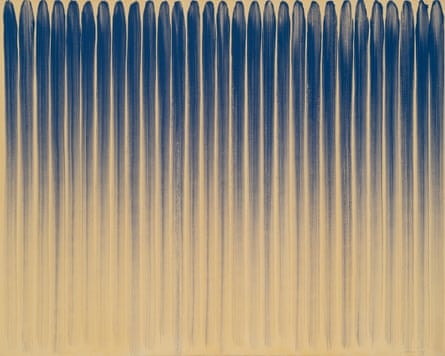
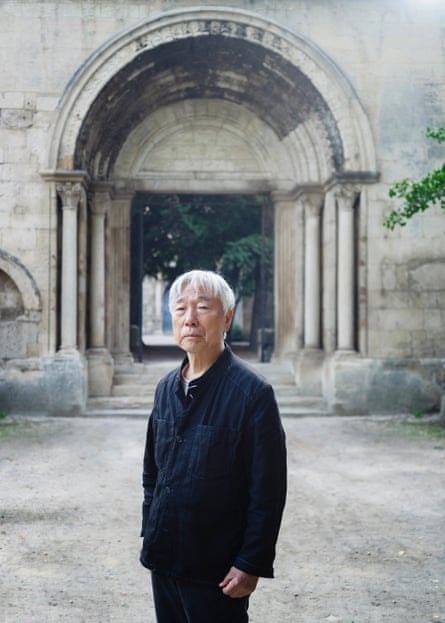
“I was in my early 30s,” Lee says. “My work is very powerful,” Lee says. Our writer travels to the legendary island of Naoshima – and meets the great creator of its most spellbinding works. The island of Naoshima used to be heavily polluted and dominated by a Mitsubishi plant. Now, after being redeveloped by the billionaire Sōichirō Fukutake in 1989, it’s known as Japan’s “art island”.
Boasting 3,000 inhabitants and rising up out of Seto Inland Sea, the island is studded with dim, concrete-walled galleries sunk into the hillsides. As all the retired American couples treating themselves to a trip of a lifetime would attest, Naoshima has become the ultimate destination for those seeking a transcendental visual experience. Underneath it is a long steel plate acting as a kind of runway, enticing visitors to walk through the arch towards the sea. Next stop – infinity! My transcendental experience on Japan’s ‘art island’ guided by its master Lee Ufan